When we roll out our monitoring gear on a jobsite in Boise Idaho, the first thing we do is set up a network of inclinometer casings and piezometers along the excavation perimeter. The rig typically runs a continuous wireline system to log readings every 15 minutes during active digging. This real-time data stream lets us catch any unexpected lateral movement before it becomes a problem. For deeper cuts below the water table, we pair the inclinometers with vibrating-wire strain gauges installed on the soldier piles or sheet piles. We also rely on manual survey checks with a total station at key anchor points to validate the automated readings. The whole setup is calibrated to IBC 2021 standards, and we log everything digitally so the geotechnical engineer of record can review trends from their office. Before mobilizing, we always cross-check the local subsurface profile using existing borehole data from SPTs and soil classifications from nearby projects. That historical context helps us decide how many monitoring points to install and at what depths.
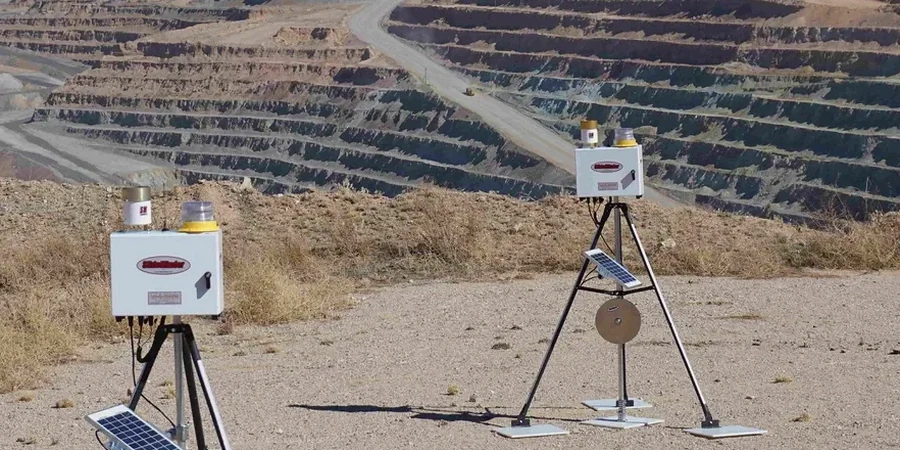
Automated inclinometer readings every 15 minutes let us catch lateral movement trends before they exceed allowable limits during deep excavations.
Method and coverage
Regional considerations
One mistake we see repeatedly in Boise Idaho is contractors relying only on visual inspections without installing any continuous monitoring instrumentation. They figure the shoring looks fine, so it must be fine — until a tension crack opens up overnight and a section of soldier pile deflects three inches. The alluvial gravels and sands here can change stiffness abruptly across a single lot, so what worked on one side of the block may not hold on the other. Without automated data, minor creep goes unnoticed until it becomes a safety hazard or a cost overrun. Another common error is setting trigger thresholds too late, giving no time to react. We always establish green-yellow-red action levels during the pre-construction meeting and program them into the data dashboard. That way, the superintendent gets an alert the moment a reading exceeds the yellow limit, not when someone happens to glance at a report.
Standards that apply
IBC 2021 Chapter 18, OSHA 29 CFR 1926 Subpart P, ASTM D6230 (inclinometer testing), FHWA NHI-14-007 (shoring monitoring)
Related services
Inclinometer and Lateral Movement Monitoring
Continuous tracking of horizontal displacement using in-place inclinometer arrays and manual traverses. Data is uploaded daily to a secure portal accessible by the project engineer and general contractor.
Groundwater and Pore Pressure Monitoring
Installation of vibrating-wire piezometers and standpipes with automated dataloggers. We monitor drawdown effects during dewatering and alert the team if pore pressures approach critical levels near the excavation base.
Structural and Surface Deformation Surveys
Optical surveys with robotic total stations and crack gauges on adjacent structures. We establish baseline readings before excavation starts and compare weekly measurements against settlement tolerance limits set by the design engineer.
This service complements our laboratory testing work for a complete project analysis.
Typical parameters
Top questions
How often should monitoring data be reviewed during an active excavation?
For most urban excavations in Boise Idaho, we recommend automated readings every 15 minutes with a daily review by the geotechnical engineer. If the excavation is deeper than 25 feet or within 10 feet of an existing foundation, we step up to continuous remote monitoring with real-time alerts.
What typical movement thresholds trigger an alert in Boise Idaho?
Action levels vary by project, but a common framework is: green up to 0.5 inches total lateral movement, yellow between 0.5 and 1.0 inches, and red above 1.0 inches. For differential settlement of adjacent structures, we often set the yellow limit at 0.25 inches. These thresholds are always reviewed with the structural engineer before excavation starts.
How much does geotechnical excavation monitoring cost for a typical project in Boise?
For a mid-size excavation (30 to 50 feet deep, 8 to 12 monitoring points), the typical cost ranges from US$950 to US$2,180 depending on instrumentation density and monitoring duration. This includes equipment installation, data collection for the first 30 days, and a weekly summary report. Longer projects or those requiring 24/7 remote monitoring may fall at the higher end.
Can monitoring be retrofitted after excavation has already started?
Yes, but it is not ideal. We can install inclinometer casings by drilling through the exposed shoring wall or from the top of the cut, and we can place piezometers in standpipes driven into the excavation base. However, we lose the baseline readings from the undisturbed state. If possible, we strongly prefer to install all instrumentation before any soil removal begins.